

Growth and Opportunity
Whether you’re an experienced ARC Engineer or looking to start your apprenticeship through our ‘Engineering Training Academy’ we have career opportunities from Dublin to Kaunas and everywhere in-between.
As we continue to expand our network of state-of-the-art maintenance hangars, sim centres and office locations, we will create 1000’s of new Engineering roles as our fleet expands to 800+ aircraft. If you are ambitious, give your all and are safety focused, then apply today to one of our many roles.
Engineering Departments
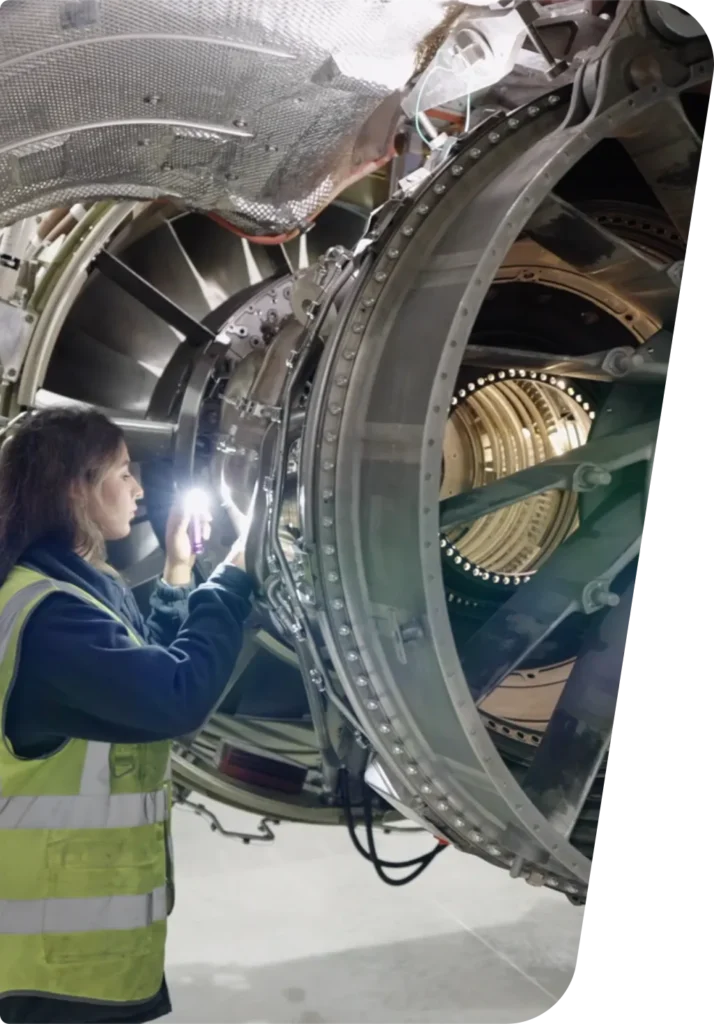
Engineering Training Academy
The Ryanair Engineering Training Academy has experienced engineering instructors running both practical and classroom-based training across our European network. We upskill current experienced engineers as well as offering entry level positions into the industry.
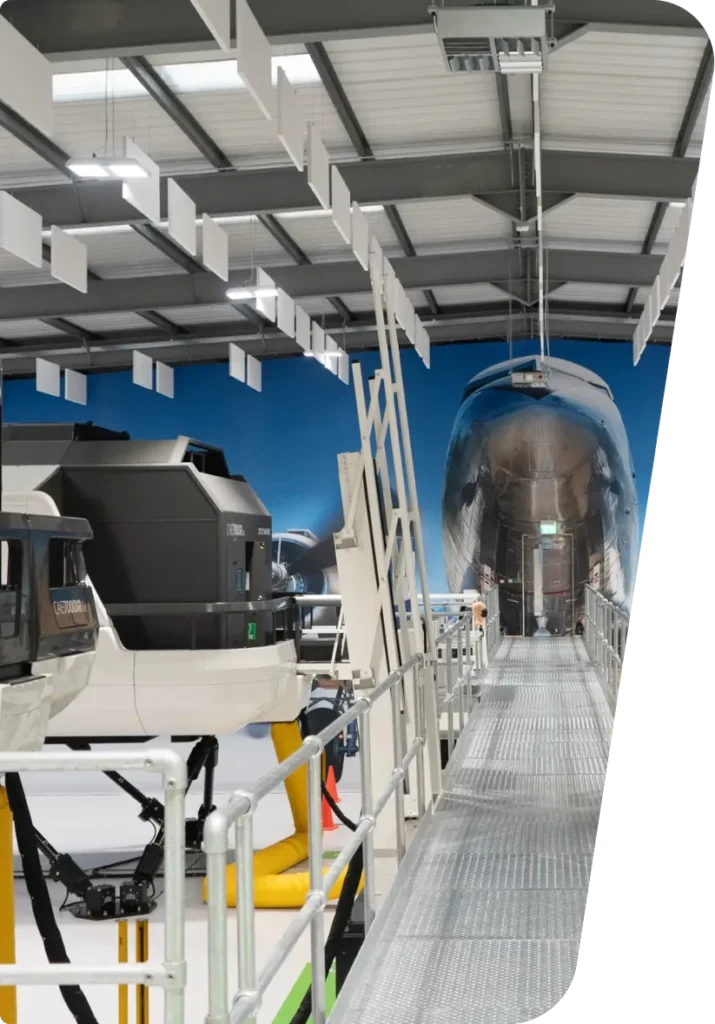
SIM Engineering
Our SIM engineering team is responsible for maintaining both our full flight and fixed Flight Training Simulators based in Bergamo, Dublin, East Midlands and Stansted with two additional centres in Madrid and Kraków currently under development.
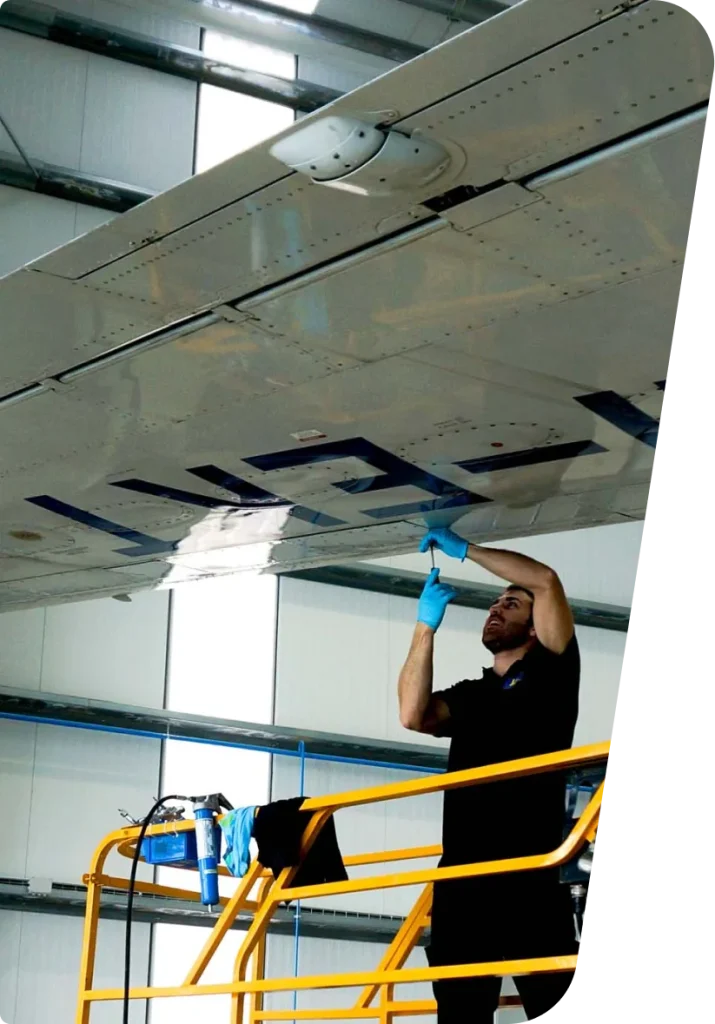
Line Maintenance
Our Line Maintenance team are responsible for all aircraft maintenance tasks from routine turnarounds and overnight checks to troubleshooting, rectification of defects, AOG recovery, Ramp Checks and A Checks at our line stations throughout Europe ensuring that all our aircraft depart and take our guests to their destinations on time.
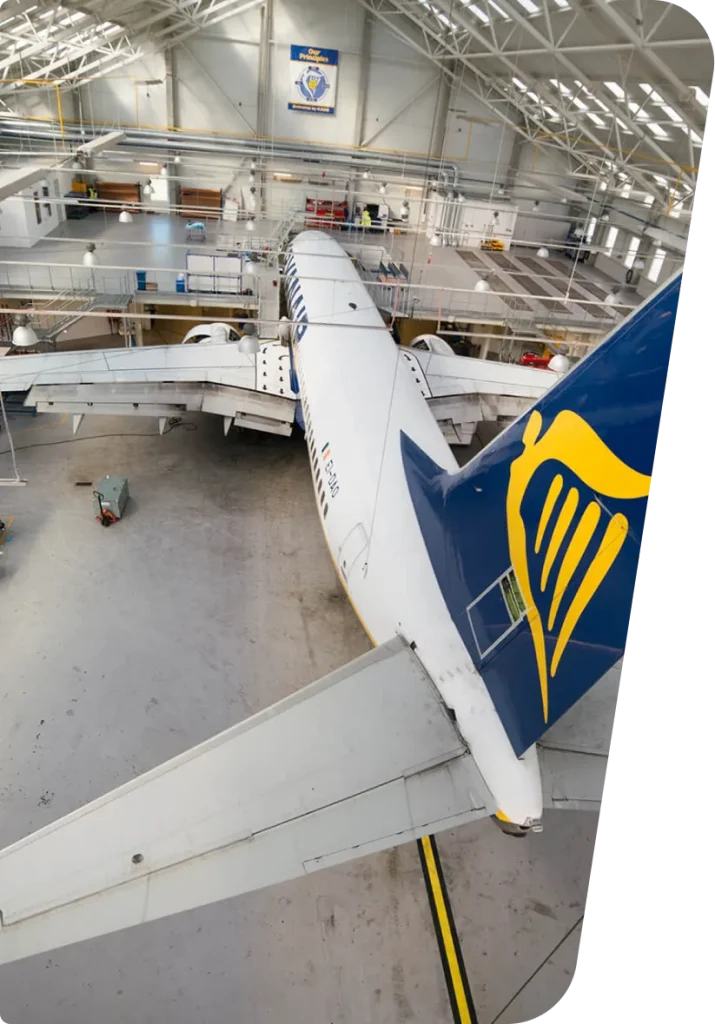
Heavy Maintenance
Conduct extensive checks on individual aircraft systems, structure and components all of our Boeing 737-800 aircraft to ensure they continue to operate with the utmost efficiency and serviceability. These checks are carried out at our heavy maintenance facilities in Prestwick, Shannon, Kaunas, Wroclaw and Seville.
Office Jobs
Ryanair Engineering has over 200 office based Engineers based in our Dublin and Madrid offices. Our Engineering office is made up of several departments including Planning, Purchasing and Materials, Technical Services, Powerplant, Avionics, Maintenance Programs, Systems, Continuing Airworthiness, Reliability and Engineering Standards.
Getting Your Part-66 Licence: What You Need From the Military
If you’ve worked on aircraft, helicopters or jets during your service and you’re applying for a Part-66 licence, the UK CAA has specific requirements for the paperwork you’ll need from your chain of command.
Why this matters: Under 66.A.30(e), the CAA needs to see that you understand the civil aircraft maintenance environment. It’s not just about your technical knowledge, but how it applies in a civilian context, which can differ from military practice.
Who needs to write your letter
You’ll need correspondence from your MOD employer. This could be an Engineering Officer, your Officer Commanding (OC), or the Military Aviation Authority (or the equivalent body if you served in a non-UK military).
Important: The letter must be written by your Engineering Officer or OC directly. It cannot be drafted by you and simply passed along for a signature.
What the letter must include
- Official headed paper, with an official stamp or seal
- Your personal details, clearly stated
- A detailed account of your military aviation experience, including:
- Dates
- Aircraft types
- Aircraft systems you worked on
- Your specific interaction with those systems, meaning the actual work you performed
- Any other relevant experience that maps to Part-66 requirements (for example, basic electrical hand skills)
Not sufficient: Simply listing ATA chapters with a generic statement of experience. A standard service testimonial also won’t meet the requirement. It’s not detailed enough.
What to leave out
The letter should read as a chronology of your aircraft engineering experience, not a CV. Try to avoid including:
- References to managerial positions
- Military or combat related activities
Length and detail
There’s no need to pad it out, but more detail is better. As a guide, these letters typically run to 6 to 7 pages, depending on your experience.
If there’s a gap between what your service letter covers and what Part-66 requires, you’ll need to fill that gap by demonstrating the missing experience through your civilian work record.
One more thing
Any evidence of your military experience must be submitted at the time of your application, not added later.
Interested in a Career with RyanAir Engineering?
Get in touch with RyanAir Engineering now to find out more…